
Winter Knee Pain: Why Your Knees Ache When It’s Cold and How to Find Relief
In this article:
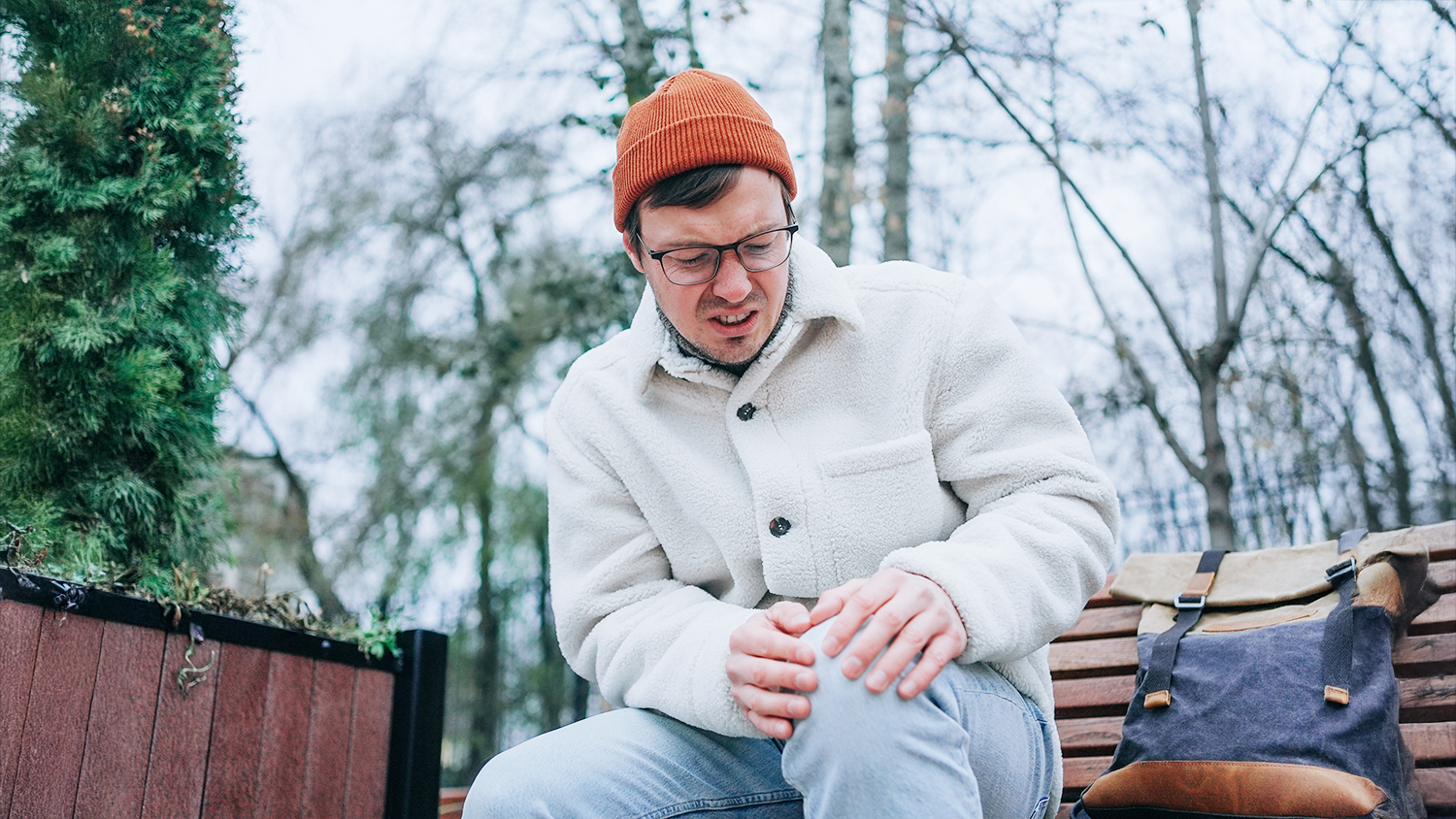
Winter brings cozy sweaters, holiday gatherings, and cooler beach walks. For many people, though, it also brings achy, stiff knees.
If your knees seem to hurt more when the temperature drops, you’re not alone. Dr. Iridi Pavliqoti, a sports medicine physician with CMC Orthopaedics, sees it often. Here, he explains what causes cold-weather knee pain and shares simple ways to find relief.
Are stiff, achy knees slowing you down this winter? Dr. Pavliqoti and the team at CMC Orthopaedics offer non-surgical care in Conway and Aynor. Call 843-347-8041 to schedule an appointment.
Why Do Knees Hurt More in the Cold?
When temperatures drop, barometric pressure often drops, too. As a result, the tissues around your joints can swell slightly. In a joint like the knee, even a small amount of swelling can cause pain.
Cold weather can also make the fluid that cushions your joints thicker. That means your knees may not move as smoothly.
“For individuals with existing knee conditions such as arthritis or previous injuries, these changes can make pain and stiffness worse,” explains Dr. Pavliqoti. “The cold weather can cause the muscles and tendons surrounding the knee joint to tighten, and this leads to discomfort and reduced mobility.”
Signs of Winter Knee Pain
Winter knee pain can feel different from person to person. Common signs include:
- Stiffness, especially in the morning
- Swelling or inflammation
- Aching or throbbing
- Trouble putting weight on the knee
- A smaller range of motion
If these symptoms sound familiar, it may be time to have your knees checked by an orthopedic specialist.
How to Ease Winter Knee Pain
Stay Active
It’s tempting to stay on the couch when it’s cold. However, regular low-impact exercise keeps the muscles around your knees strong and flexible. Walking, swimming, cycling, and yoga are all great options.
Keep Your Knees Warm
Dress in layers and keep your legs covered when you head outside. In addition, a few minutes of light stretching before activity can help loosen stiff joints.
Eat to Fight Inflammation
What you eat can make a difference, too. “There are a variety of fruits, vegetables, and omega-3 fatty acids that you can add to your diet to help manage inflammation,” says Dr. Pavliqoti.
For example, try salmon, leafy greens, berries, and nuts.
Try Heat and Ice
Alternating heat and cold can bring quick relief at home.
“Applying a heating pad or warm compress to your knees can help relax your muscles,” Dr. Pavliqoti explains. “Cold packs can help reduce swelling and numb the area. So, heat and cold work together to ease discomfort.”
When to See a Specialist
Sometimes, home care isn’t enough. If knee pain lingers, gets worse, or keeps you from everyday activities, it’s time to see a specialist.
Dr. Pavliqoti is a dual board-certified primary care sports medicine physician. He completed his sports medicine fellowship at LSU Health Sciences Center and served as a team physician for hundreds of Division I athletes.
At CMC Orthopaedics, he diagnoses and treats a wide range of joint and muscle conditions without surgery. His expertise includes:
- Diagnostic and procedural musculoskeletal ultrasound
- Regenerative orthobiologic treatments
- Fracture care
- Other non-surgical outpatient procedures
Dr. Pavliqoti sees patients at two convenient locations:
- CMC Orthopaedics – Conway, 2376 Cypress Circle, Suite 300, Conway
- CMC Orthopaedics – Aynor, 1213 Elm Street, Aynor
Don’t let cold weather keep you on the sidelines. Schedule an appointment with Dr. Pavliqoti at CMC Orthopaedics in Conway or Aynor. Call 843-347-8041 today.
Winter knee pain is common, but you don’t have to just live with it. A few simple habits can go a long way toward keeping your knees moving comfortably all season. And when home care isn’t enough, Dr. Pavliqoti and the team at CMC Orthopaedics are here to help you get back to the activities you love.
Key Takeaways
- Cold weather and drops in barometric pressure can make knee pain and stiffness worse.
- People with arthritis or past knee injuries often feel it the most.
- Common signs include stiffness, swelling, aching, and limited range of motion.
- Staying active, keeping warm, and eating anti-inflammatory foods can help.
- Alternating heat and ice can ease pain and swelling at home.
- If pain lingers or gets worse, see a sports medicine specialist like Dr. Pavliqoti at CMC Orthopaedics.
All content of this article is intended for general information purposes only and is not intended or implied to be a substitute for professional medical advice, diagnosis, or treatment. Please consult a medical professional before adopting any of the suggestions on this page. You must never disregard professional medical advice or delay seeking medical treatment based on any content of this article.
Sources
-
Cleveland Clinic, “Cold Weather Causing Your Joints to Ache?” https://newsroom.clevelandclinic.org/2024/02/14/cold-weather-causing-your-joints-to-ache
-
Cleveland Clinic, “How Changes in Weather Affect Joint Pain,” https://health.clevelandclinic.org/barometric-pressure-joint-pain
The post Winter Knee Pain: Why Your Knees Ache When It’s Cold and How to Find Relief appeared first on Conway Medical Center.